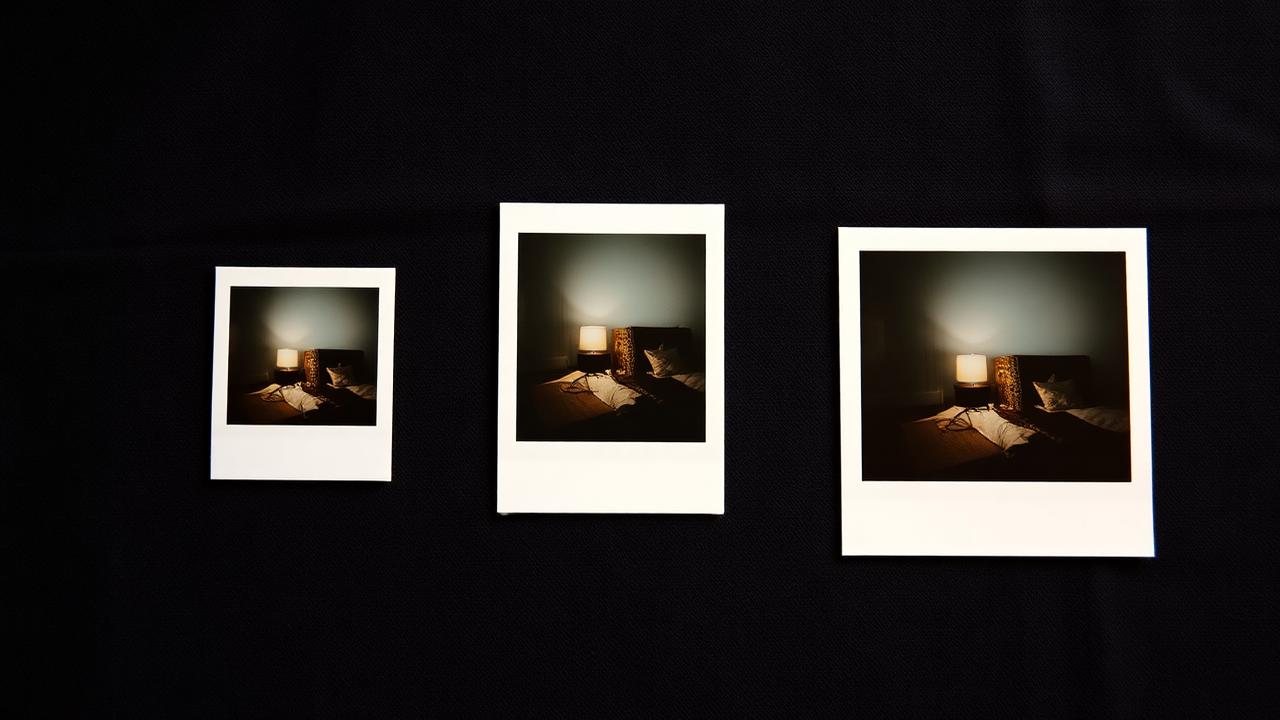
Fujifilm's Instax line splits into three formats — Mini, Square and Wide — and the difference is not just paper size. Each format crops the world in a different way, and the decision about which film to load should follow the photo you want, not the camera body you happen to own. Getting this right matters more than most people admit: Instax film is expensive per frame, and shooting a group in Mini when it wanted to be Wide wastes both the film and the moment.
Below is the honest comparison — dimensions, aspect ratios, per-shot cost and the kinds of shots each format actually flatters.
Instax Mini — 46 × 62 mm image, roughly 3:4
Mini is the smallest of the three, with a 46 × 62 mm image area inside a 54 × 86 mm card (about credit-card sized). The aspect ratio is close to 3:4, which means it behaves almost exactly like a phone portrait crop. Single-subject portraits, half-body shots and tightly framed couples all sit naturally inside it. Because the frame is portrait-oriented, it rewards vertical composition — a person, a bottle, a doorway.
Where Mini struggles is groups. Five people in a row will end up tiny inside the frame because Mini's narrow image area forces you to back up. It also struggles with landscape subjects: turning a Mini sideways gives you a very short, very wide frame that reads as awkward rather than cinematic. If most of your shots are friends, partners and pets one at a time, Mini is the right default.
Per-shot cost: roughly €0.80 to €1.00 depending on pack size and retailer. Cheapest of the three by a clear margin.
Instax Square — 62 × 62 mm image, 1:1
Square is the format Instagram trained an entire generation to think in. The 1:1 image sits inside an 86 × 72 mm card and gives noticeably more room than Mini for the subject to breathe. It also forgives composition mistakes: there is no obvious "wrong" orientation, so a slightly tilted horizon or off-centre subject looks intentional rather than sloppy.
Square is the best all-rounder of the three. Single portraits work, two- or three-person groups work, and a Square shot of a desk, a meal or a record sleeve looks deliberate in a way the same shot in Mini does not. If you can only own one Instax camera, get a Square one — it does the widest range of jobs acceptably.
Per-shot cost: roughly €1.20 to €1.50. Mid-range.
Instax Wide — 62 × 99 mm image, roughly 2:3
Wide is the giant of the family: 62 × 99 mm image, 108 × 86 mm card. The aspect ratio is close to 2:3, which matches 35mm film and most DSLR sensors. Group shots, landscapes and anything with horizontal motion — cars, waves, a band on stage — live here. It is also the format most similar to what a "real" photograph looked like before digital cameras standardised on 4:3 and 16:9.
The trade-off is that Wide cameras and packs cost more per shot, and the bigger frame shows lighting mistakes more obviously. A mediocre Wide is more obviously mediocre than a mediocre Mini, because there is more image to look at. Wide is unforgiving; use it deliberately.
Per-shot cost: roughly €1.30 to €1.80. Most expensive of the three.
A simple decision tree
- One or two people, close up: Mini.
- Still life, food, anything you'd post to Instagram: Square.
- Groups of three or more, or anything landscape-oriented: Wide.
- You want one format for the rest of your life: Square. It does the most jobs acceptably and forgives the most mistakes.
Why preview before you load film
Instax film is not cheap. A single Wide shot costs more than a takeaway coffee. Wasting a Wide frame on a portrait that would have been better as a Square is a real cost — and if you shoot two packs a month, it adds up to real money over a year. This is why digital previewing, even a quick browser one, pays for itself within a single pack.
FLASHFRAME's Instax Maker renders all three formats at their correct aspect ratios with the right border and white-space proportions. The point is not to replace a real Instax — it is to let you see, before you shoot, which crop the photo actually wants. Frame the subject digitally first, decide whether it reads as Mini, Square or Wide, then load the matching pack.
Borders and the unwritten Instax language
The fat bottom border on every Instax is not decoration. It is a writing area: date, name, location. Treat it that way. A Mini with a one-line caption ("Lisbon, March") tells you more in five years than the same Mini with a clean white border and no context.
Digital Instax-style exports inherit the same border. If your tool gives you the option, leave space for a caption even if you do not add one immediately. Adding text later — with a fine-tip pen on the physical print, or with a text layer on the digital export — is far easier than reshooting the export because the border was too tight.
Scanning and sharing Instax shots
Real Instax prints scan better than they photograph. A flatbed scan at 600 DPI captures the film's slightly soft palette without the colour cast you get from photographing a print under a desk lamp. If you do not own a scanner, daylight near a window beats any indoor light — the same advice that applied to taking the shot also applies to copying it.
For sharing to Instagram, either scan (best), photograph in daylight (acceptable), or use Instax's own smartphone app which reads the print via the phone camera and colour-corrects for it (fine, but re-encodes the image).
Frequently asked questions
Which Instax format is best for weddings?
Wide for group shots and venue photos, Square for guest portraits at a photobooth table. Mini is too small for a wedding guestbook — the print gets lost on the page.
Can I use Mini film in a Square camera?
No. The three film formats are physically different sizes and each camera only accepts its own pack. Adapters do not exist for Instax.
Which Instax has the best image quality?
Wide, by virtue of the larger image area. Detail resolves better on a 62 × 99 mm print than on a 46 × 62 mm one, and colour transitions look smoother. But the camera bodies vary — a modern Instax Mini 99 has better exposure control than an older Wide 300.
How long does Instax film last?
Fujifilm rates each pack for about a year past the printed expiry date if stored cool and dark. Expired Instax packs still work but colours drift toward magenta or green depending on how they were stored.
Further reading
- Fujifilm's official film specifications for each Instax format.
- The FLASHFRAME guides on choosing a film look and lighting for vintage photos.